Stable Blood Sugar = Stable Energy
Why Your Energy Crashes, Cravings, Fatigue and Sleep Problems Are Connected
If you've been dragging through your days, cravings won't leave you alone, you're not hungry when you wake up but absolutely starving by 6 PM, or you're dealing with brain fog and restless nights - I want you to know that your body is trying to tell you something.
It's not a willpower issue. It's a nutrition and lifestyle issue, and the good news is: it's fixable.

Blood Sugar is Not the Enemy
Your body is genuinely brilliant at keeping blood sugar stable. But when life is stressful, sleep is poor, and meals happen whenever you remember to eat, that system starts to wobble.
And here's something most people get wrong: this isn't just about eating too much sugar.
It's about a daily pattern of low-grade physiological stress that quietly builds over time:
Chronic cortisol → drives insulin resistance
Poor sleep → worsens glucose control
Constant stimulation → dysregulates appetite signals
Under-fuelling or erratic eating → destabilises energy
Over time, your body adapts. Unfortunately, not in your favour.
So you feel it as:
Cravings that seem to have a life of their own
That 3 PM wall you keep hitting
Brain fog that shows up right when you need to focus
Needing coffee just to function
That exhausting "wired but tired" feeling at 10 PM when you should be winding down
Most people think this is normal. It's not. This is early metabolic dysfunction.
You don't "suddenly" develop diabetes. You build it quietly, every single day through seemingly small choices.

Understanding Blood Sugar: Why It Matters for Your Energy & Focus
Blood Sugar Stability Isn't About Being "Low" - It's About Being Steady
Here's where most advice gets it wrong: people think managing blood sugar means keeping it as low as possible. That's not the goal at all.
The goal is steadiness. Gentle waves, not a rollercoaster.
Blood sugar naturally rises and falls throughout the day — this is completely healthy. Exercise temporarily spikes it to fuel your workout. It naturally rises in the morning as your body prepares for the day. The problem kicks in when those gentle shifts become sharp spikes and crashes, usually triggered by refined foods, chronic stress, poor sleep, and unbalanced meals.
And the part most people don't connect: blood sugar instability is directly disrupting your sleep.
Your glucose peaks and troughs at night mirror your daytime patterns. So if your day looks like school drop-off, back-to-back Zoom calls, a WhatsApp notification every few minutes, a rushed lunch in front of your laptop, and somehow also getting the groceries done, your nervous system is running hot all day. And your blood sugar is riding that wave with it.
Your nights reflect all of that. The 2 AM wake-up. The mind that won't switch off. The sleep that leaves you more tired than when you went to bed.
A perfect, exhausting cycle. And most people have been living inside it for years without realising it's connected.
Beyond physical tiredness, unstable blood sugar clouds your thinking, triggers intense sugar cravings, and yes - it drives that stubborn fat around your midsection that refuses to budge no matter how hard you try.
It's a Whole-System Situation
Glucose regulation isn't isolated to your digestive system. It involves:
Nervous system regulation (how calm or stressed you are)
Stress hormone balance (cortisol and adrenaline patterns)
Fat storage and metabolism (where your body stores energy)
Cellular signalling (how your cells communicate)
This is why fixing blood sugar requires addressing multiple areas simultaneously.
How to Support Blood Sugar - Build Your Foundation

Hydration:
It's More Than Just Drinking Water
Here's what I notice: people are downing water and iced tea like it's going out of style, yet they still feel absolutely drained.
We live in Mauritius. The heat is already doing half the dehydrating job. Play padel for an hour, spend your day outside, or sleep under air conditioning all night - your body is losing water constantly. But then you compound it by starting your day with coffee.
Caffeine is a diuretic. So you're already dehydrated, and your first move is to lose more water. By mid-morning you feel flat. By afternoon you're reaching for something salty or sweet, usually something processed.
Here's what's actually happening: your body isn't asking for more calories. It's asking for hydration and electrolytes.
Those cravings are often your body's way of signalling it needs minerals - sodium, potassium, and magnesium.
Water alone doesn't quite cut it. When you add electrolytes to your hydration routine, your body actually uses that fluid effectively. Your cells can function properly again, and blood sugar regulation improves.
The formula is simple: Take your body weight in kilograms and multiply by 0.04. That's your baseline daily litres of water needed. Working out, sweating heavily, or breastfeeding? Add more. Throw a quality electrolyte complex into your water and notice the difference within days.
Breakfast: Stop Getting This Wrong
Breakfast is the most important decision you make all day. I mean that.
What you eat in the morning shapes your energy, your cravings, and your metabolic trajectory for the entire day. And most people are getting it spectacularly wrong.
You're eating cereal or muesli? Both are loaded with sugar, even the "healthy" ones. Fruit juice? You've basically consumed a glass of sugar without the fibre to slow absorption. Skipping breakfast because you're busy or following some fasting trend? You're essentially guaranteeing chaotic energy and impossible cravings by lunchtime.
And if you're a woman, let me be really clear: Fasting isn't your answer. Stop following "bro advice" about skipping meals or adding collagen to your coffee and calling it breakfast. Your hormonal cycles, your metabolic needs, and your nervous system are fundamentally different from men's.
Through my work with women, I've seen time and again how fasting gets used as a way to "control" an unhealthy relationship with food. Here's the truth: fasting doesn't fix a broken relationship with food. It usually makes it worse. You're not saving calories -you're destabilising your system and setting yourself up to make worse choices when you finally do eat.
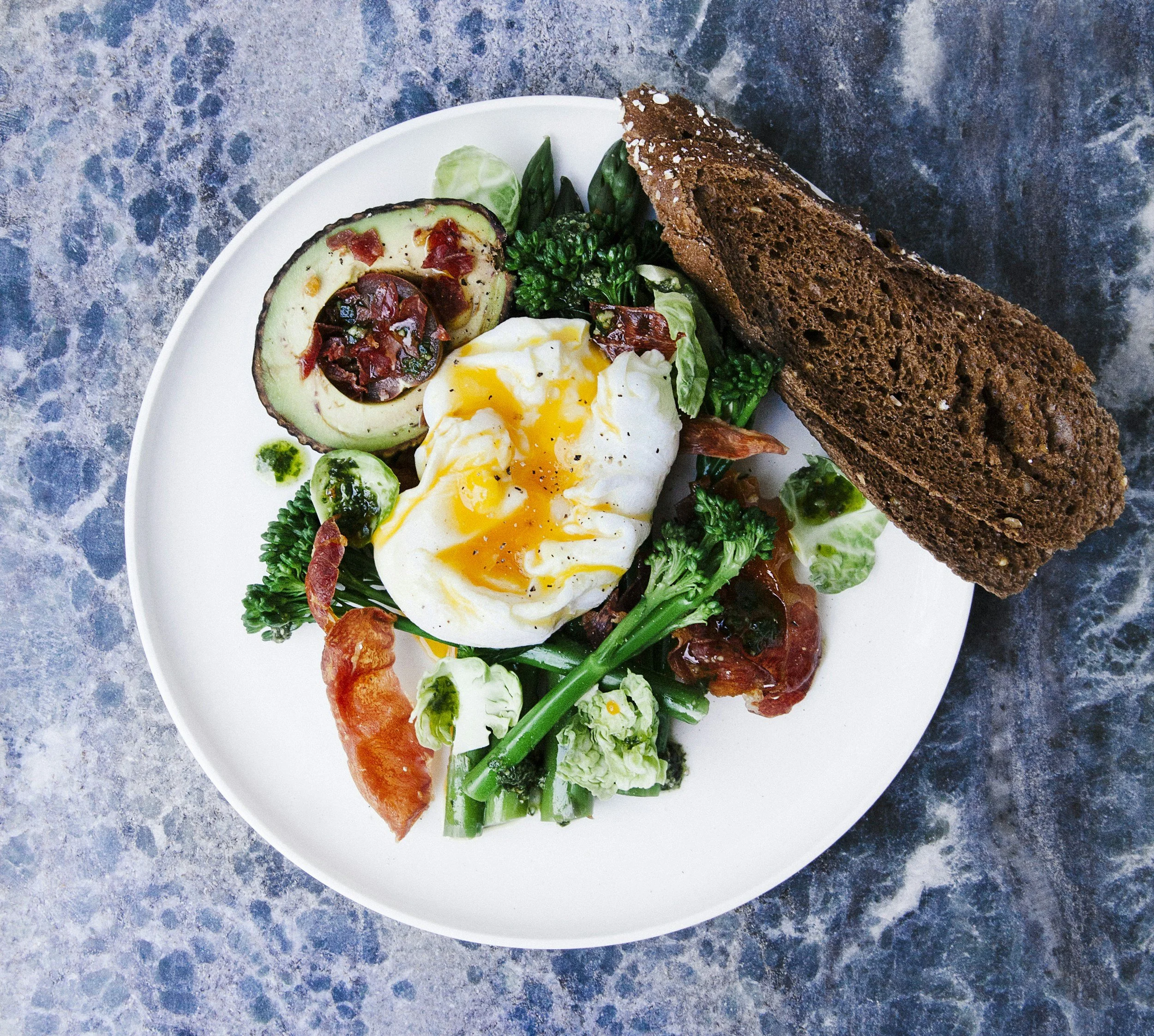
What I've found works beautifully is a savoury breakfast.
I'm talking leftover chicken soup, yesterday's stew, sardines on sourdough toast - literally dinner for breakfast. A proper plate with protein, vegetables, and healthy fats. Not another cold yoghurt bowl or smoothie situation (although if that's genuinely all you can stomach, that's your starting point).
Try eating a proper savoury breakfast for just one week. Watch what happens to your energy and cravings. They don't disappear because you suddenly have more willpower, but because you’re giving the body what it actually needs.

Protein: Know Your Serving (Especially If You're Vegetarian)
Protein is non-negotiable for stability. We're talking about 30g minimum per meal, yes, including breakfast.
This macronutrient is crucial for blood sugar regulation and promoting satiety, helping you avoid those sharp glucose spikes.
Here's something that doesn't get discussed enough in our cultural context: vegetarian diets in Western frameworks often rely on eggs to bridge the protein gap. But when cultural or religious reasons mean eggs are off the table, most people don't receive proper guidance on how to rebalance their nutrition. What I observe, especially here in Mauritius, is overconsumption —massive rice-heavy plates (think biryani) and rotis, without actually understanding how to meet your amino acid requirements for the day.
Let me break this down simply:
If you eat animal protein: 90-100g of meat (roughly a palm size), fish or poultry typically gets you to 30g per meal. Your daily target is around 0.8–1.2g per kilogram of your body weight.
If you're plant-based: You need greater volume because plant proteins have lower metabolic bioavailability. Aim for 1.2–1.5g per kilogram of body weight. Tofu, tempeh, legumes, and quality protein powder become essential tools, not optional extras.
One more detail: Eat your protein alongside vegetables before you touch carbohydrates. This meal composition can make a difference for you. Protein's thermic effect—the energy required to digest it—slows the absorption of other foods and stabilises your blood glucose response throughout the meal.
Fibre: Your Silent Blood Sugar Stabiliser
Fibre doesn't get nearly enough credit in blood sugar conversations, and it should.
Think of soluble fibre as a sponge. It draws water into your digestive system and forms a gel-like substance that slows glucose absorption, literally preventing those sharp spikes and crashes that trigger cravings and energy dips. It also feeds your beneficial gut bacteria (your microbiome), which acts like an internal control centre regulating immunity, metabolism and hormone balance.
Insoluble fibre, on the other hand, is the "brushy" stuff - the skins and seeds of fruits and vegetables, wholegrain foods, nuts and beans. It doesn't dissolve in water, so it triggers your intestinal muscles to work, adding bulk and structure to keep things moving efficiently.
The bottom line: Soluble fibre regulates blood sugar and cholesterol. Insoluble fibre keeps your digestive system functioning properly. Together, they feed your gut bacteria and support the detoxification of excess hormones, which is especially important if you're also dealing with uncomfortable hormonal symptoms or irregular cycles.
Easy ways to add both types:
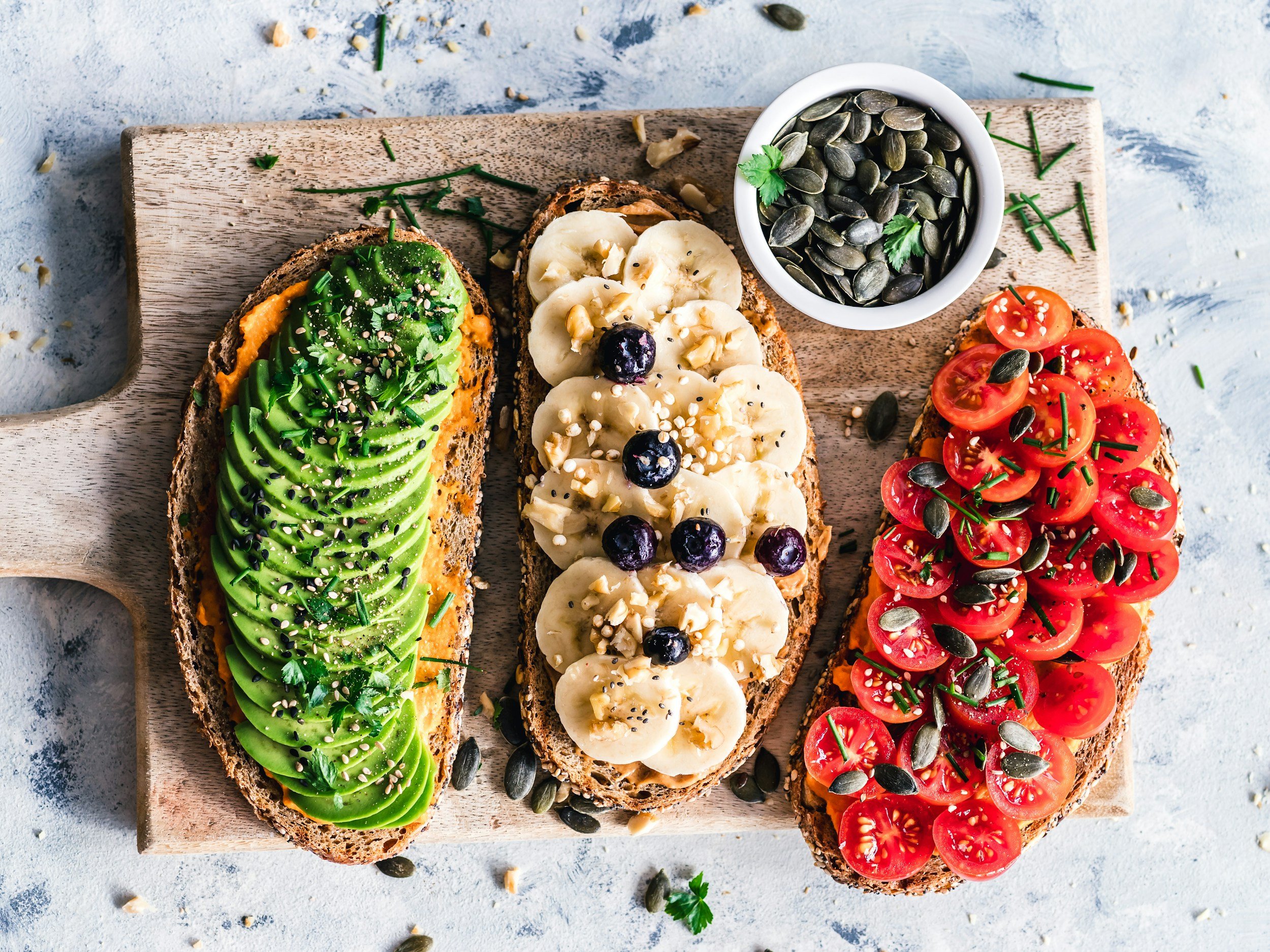
Add a "seed sprinkle" to meals
Switch to mixed grain or seeded wholegrain breads
Include fresh herbs and spices (freeze chopped herbs for convenience)
If you tolerate it, add a teaspoon of psyllium husk to water
Add an extra veg, beans or pulses to your soups, curries or smoothies
Start small and build gradually - your digestive system will thank you.

Four Things That Actually Make a Difference
1. Hydrate Properly
Calculate your baseline using the formula above, add a quality electrolyte complex, and actually commit to it. Your cells need this to regulate glucose properly.
2. Nail Your Protein
Aim for 30g per meal. Eat it with vegetables first. Know your numbers or use "palm" guidance.
3. Cut Out Ultra-Processed Foods
These foods are engineered to maximize consumption while minimising satisfaction. Swap refined carbohydrates for high-fibre options: roasted potatoes with skin, beans, pulses, and brown rice.
Pro tip: Cool white carbohydrates (rice, potatoes) after cooking to create resistant starch, which has significantly less blood sugar impact.
4. Stop Snacking Constantly
Grazing keeps your blood sugar in constant flux. Instead, eat proper meals 3.5 to 4 hours apart. This spacing allows your system to regulate glucose naturally and builds metabolic flexibility - your body's ability to efficiently burn both carbohydrates and stored fat for energy.
That hunger between meals? It's usually boredom or dehydration masquerading as appetite. Check yourself before you snack. Learn to read your body's actual hunger signals.
All of the above are the foundational dietary changes you can easily make - and we haven’t even talked about stress management!

WHAT CHANGES WHEN YOU GET THIS RIGHT
It's not complicated, but it is powerful:
Consistent energy, no more 3 PM wall
Sleep that actually restores you instead of lying there wired at midnight
Cravings that simply stop because your body is finally getting what it needs
A metabolism that works with you instead of fighting you at every turn
These aren't extreme protocols or obsessive tracking systems. They're the foundation. Once you establish the rhythm, everything, your energy, your sleep, your focus, your relationship with food, starts to shift.
Your Next Step
Pick one area -hydration, breakfast, fibre or protein- and commit to it for one week. Not all at once.
One change, implemented consistently, creates momentum.
—
Ready to take control of your energy?
As a health consultant and nutritionist in Mauritius, I offer personalised strategies to help ambitious professionals like you achieve stable blood sugar and peak performance.
Book Your Free Discovery Call today to discuss how we can work together, in person or via Zoom..
If you're serious about stabilising your energy, understanding how to support your cravings, and building a sustainable relationship with food, get in touch with me for personalised support.
